Viruses & bacteria
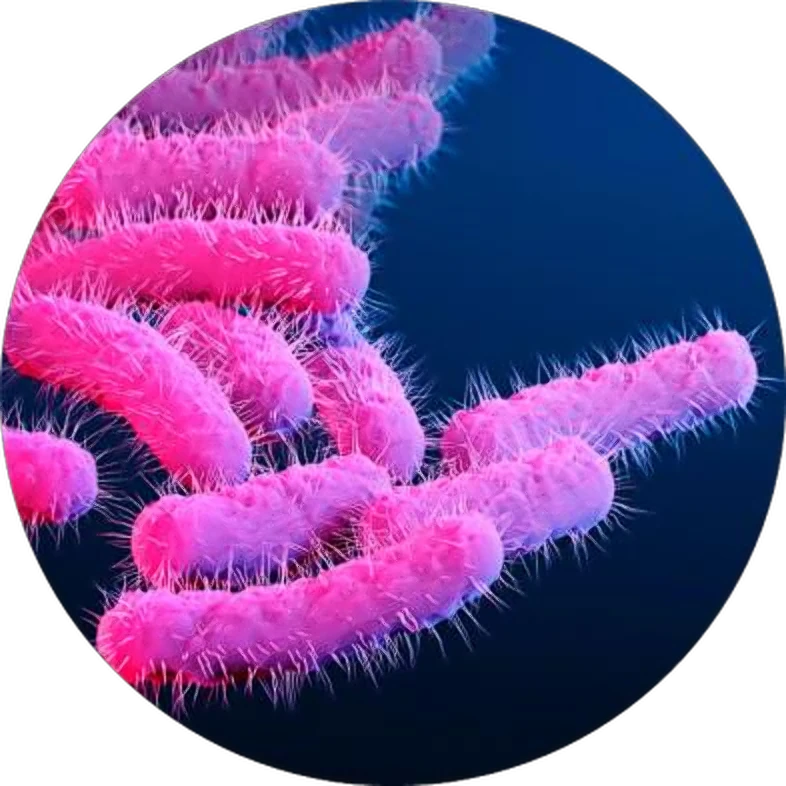
No neural system, yet they process information at a genetic, biochemical and ecological level.
& the Spectrum of Mind
“In the whole world there is no study so beneficial and so elevating as that of Vedanta.”Arthur Schopenhauer
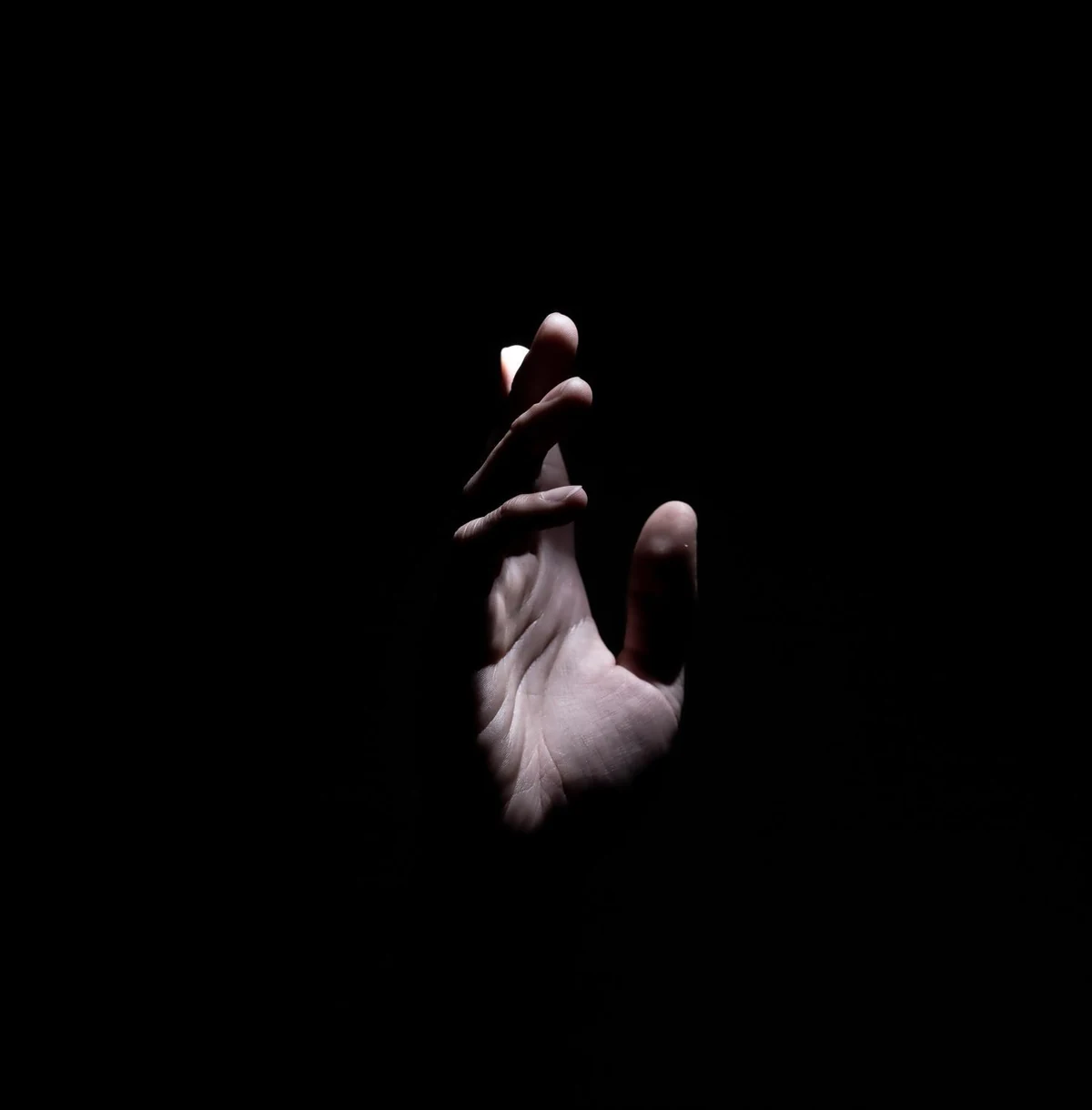
Imagine a person born blind, deaf, and unable to speak.
Raised alone, in a dark and silent room.
Never once exposed to language.
Then a head injury, and every memory is gone.
No words. No images. No memories.
And yet this person is still conscious.
Consciousness is different from a state of mind.
From a bacterium processing chemistry to a mind we have not yet met. Scroll sideways along the ribbon.
No neural system, yet they process information at a genetic, biochemical and ecological level.
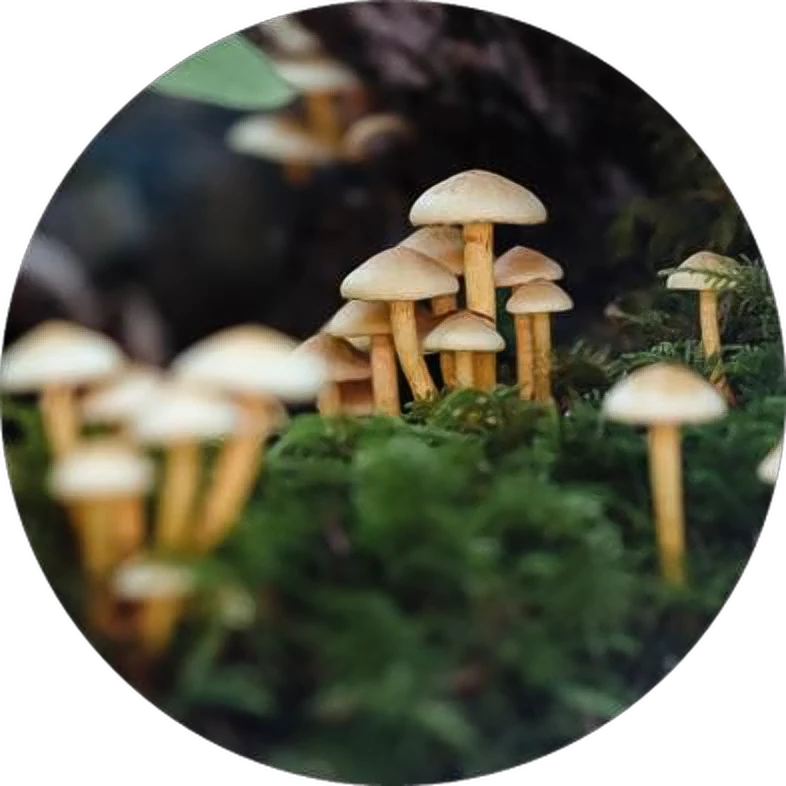
Mycelial networks trade resources and information underground, oriented to survival and growth.
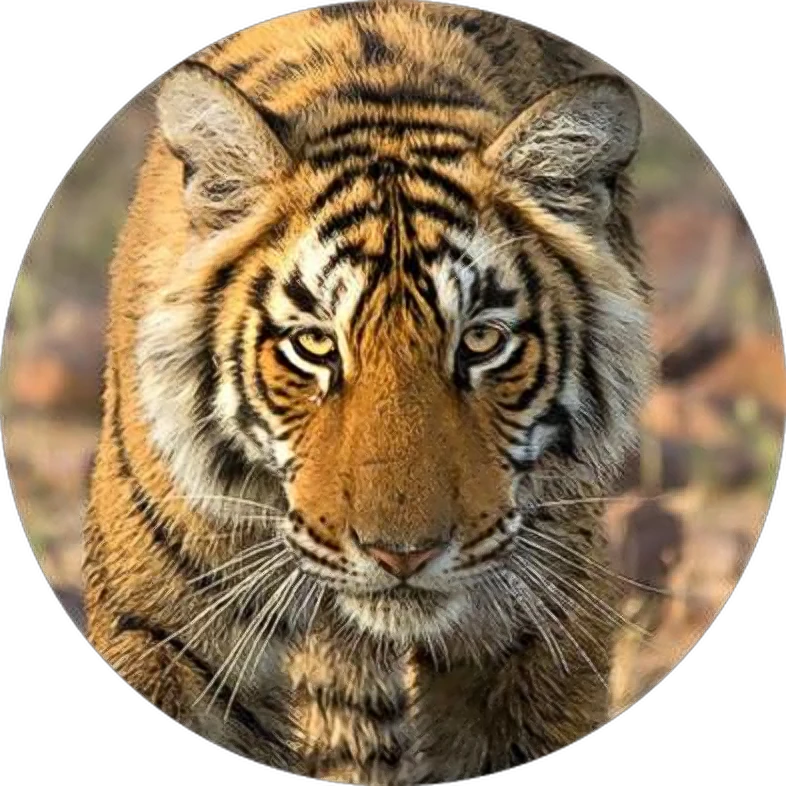
Learning, memory, problem-solving, emotional states and complex communication.
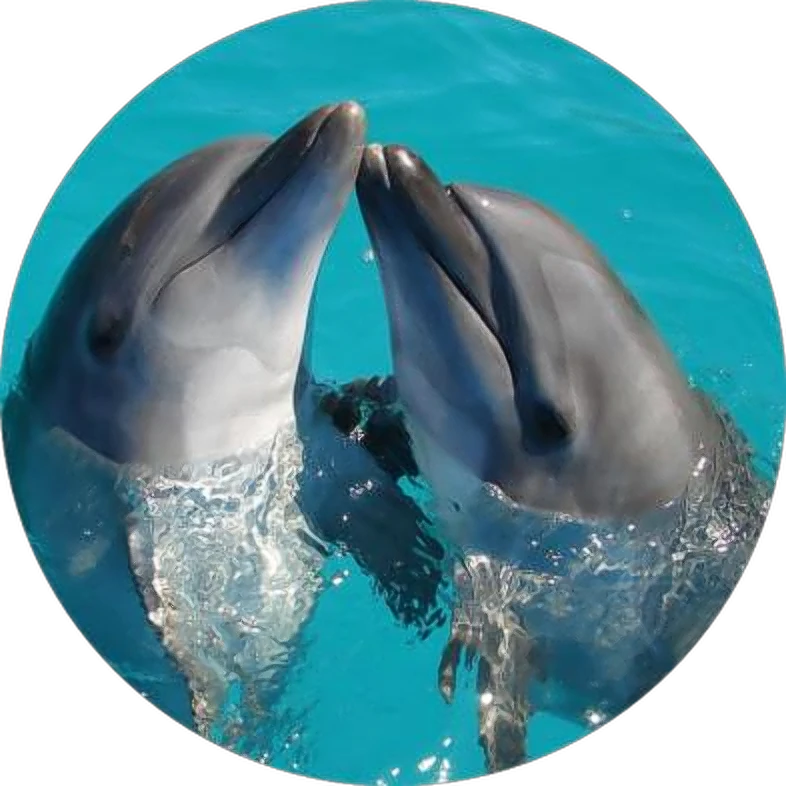
They recognise themselves in mirrors and understand that others hold different beliefs.

Innate capacities waiting on language, culture and abstract thought.
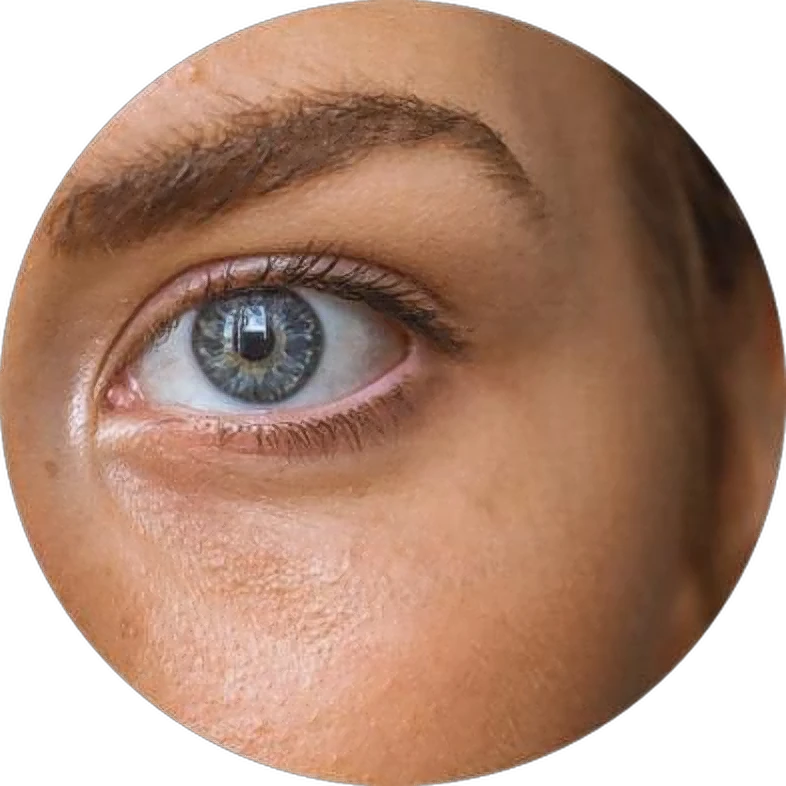
Language, reasoning, metacognition, self-reflection, planning for a future.
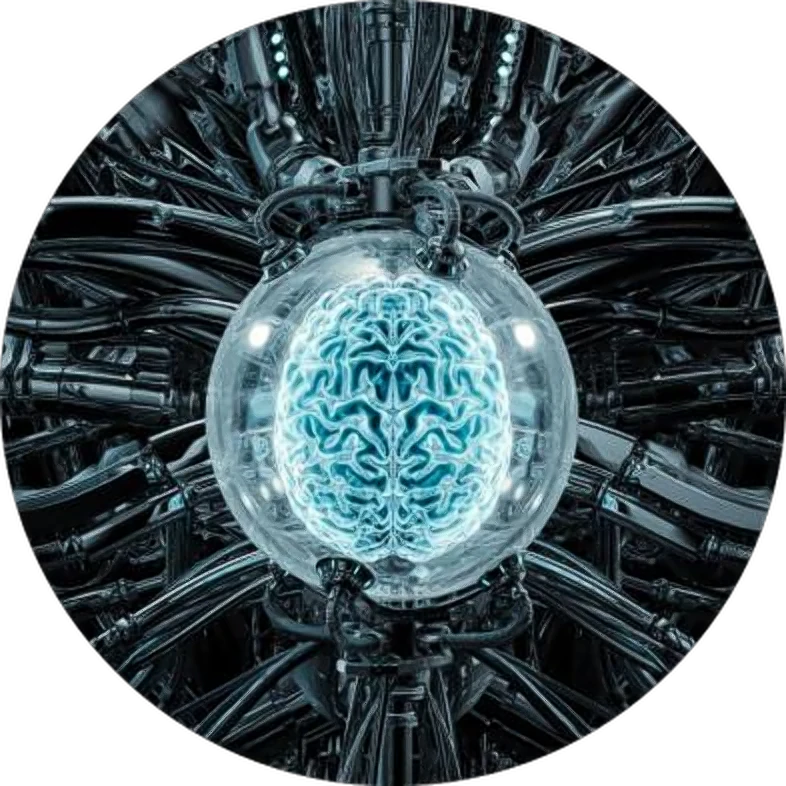
Networked, bionic humans thinking in synchrony, a collective mind not yet witnessed.
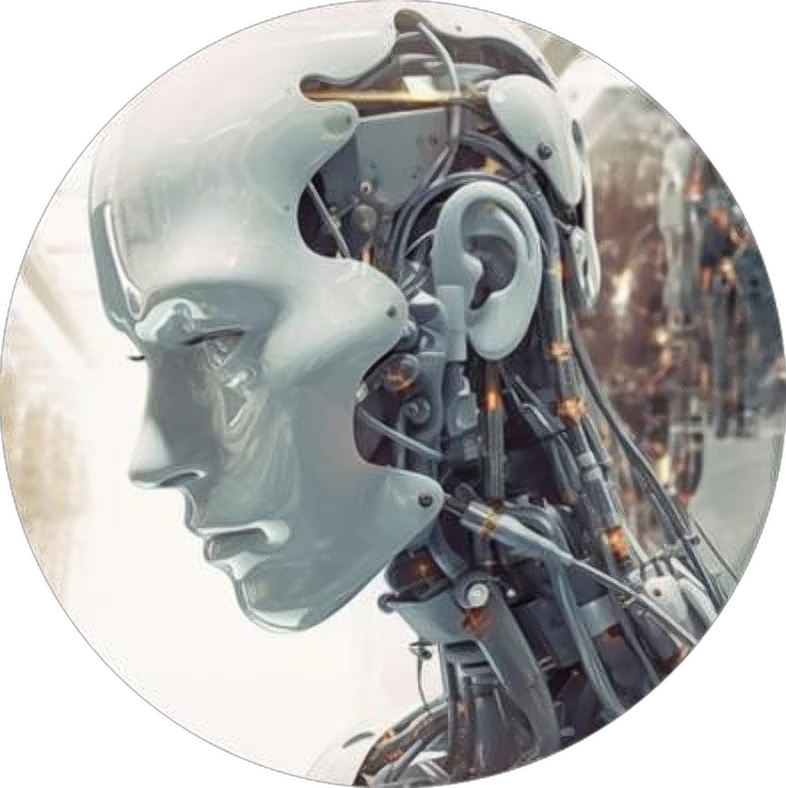
A super A.I. processing information in ways we cannot begin to fathom.
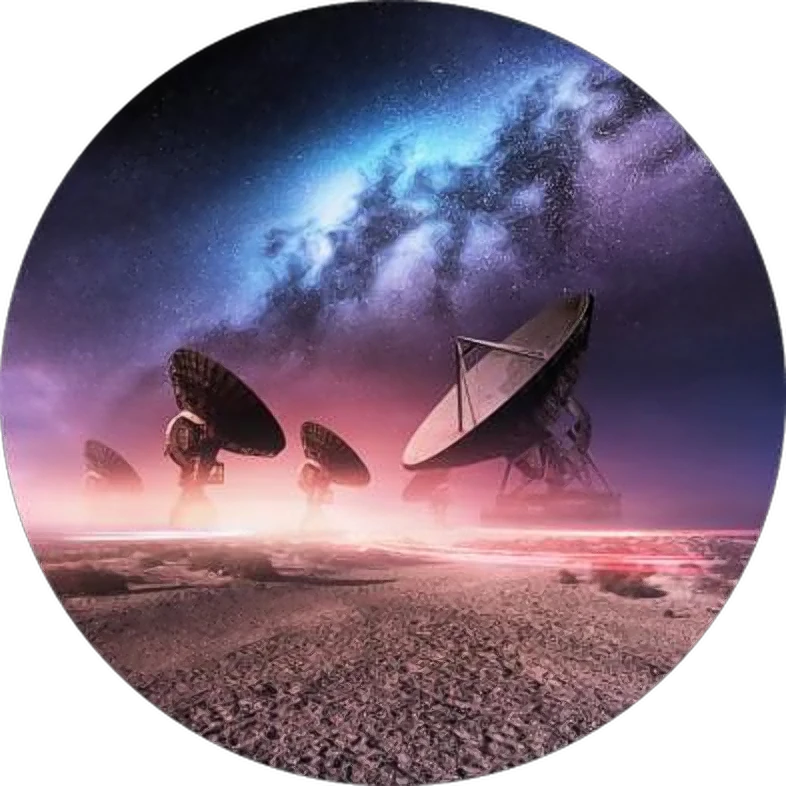
Alien senses, alien time, motives utterly beyond our comprehension.
All these attributes, states, traits, abilities and capacities of the mind are objects.
Internal, like emotions · External, like tables and chairs
Ask who is looking. “My eye is looking at the book.” The eye is the subject; the book is the object.
The eye’s power to see is gone, and something still knows it has closed. The mind is now the subject, and the eye is its object.
Memories appear and fade. When you are angry, who is aware that there is anger? This pure awareness that witnesses the mind is called Consciousness.
It shines by its own nature. Nothing stands behind it to see it.
Sadā sākṣī · always the witness, constant, choiceless
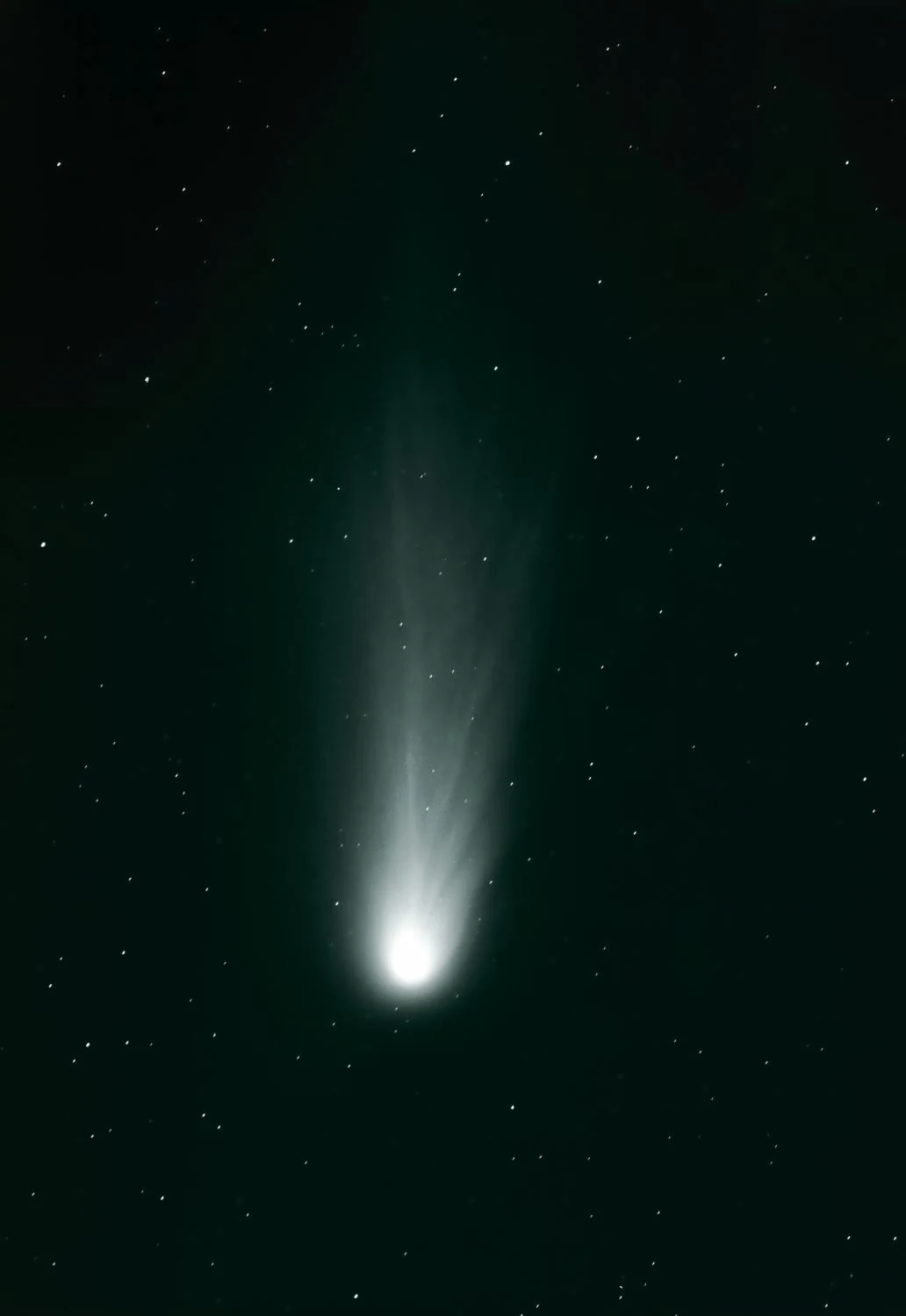
Only when light meets an object does light reveal itself.
A comet crosses the light and suddenly it can be seen. The rocky comet is the individual. The sunlight is Atman, the inner light that reveals our thoughts, emotions and experiences. You are holding that light now.
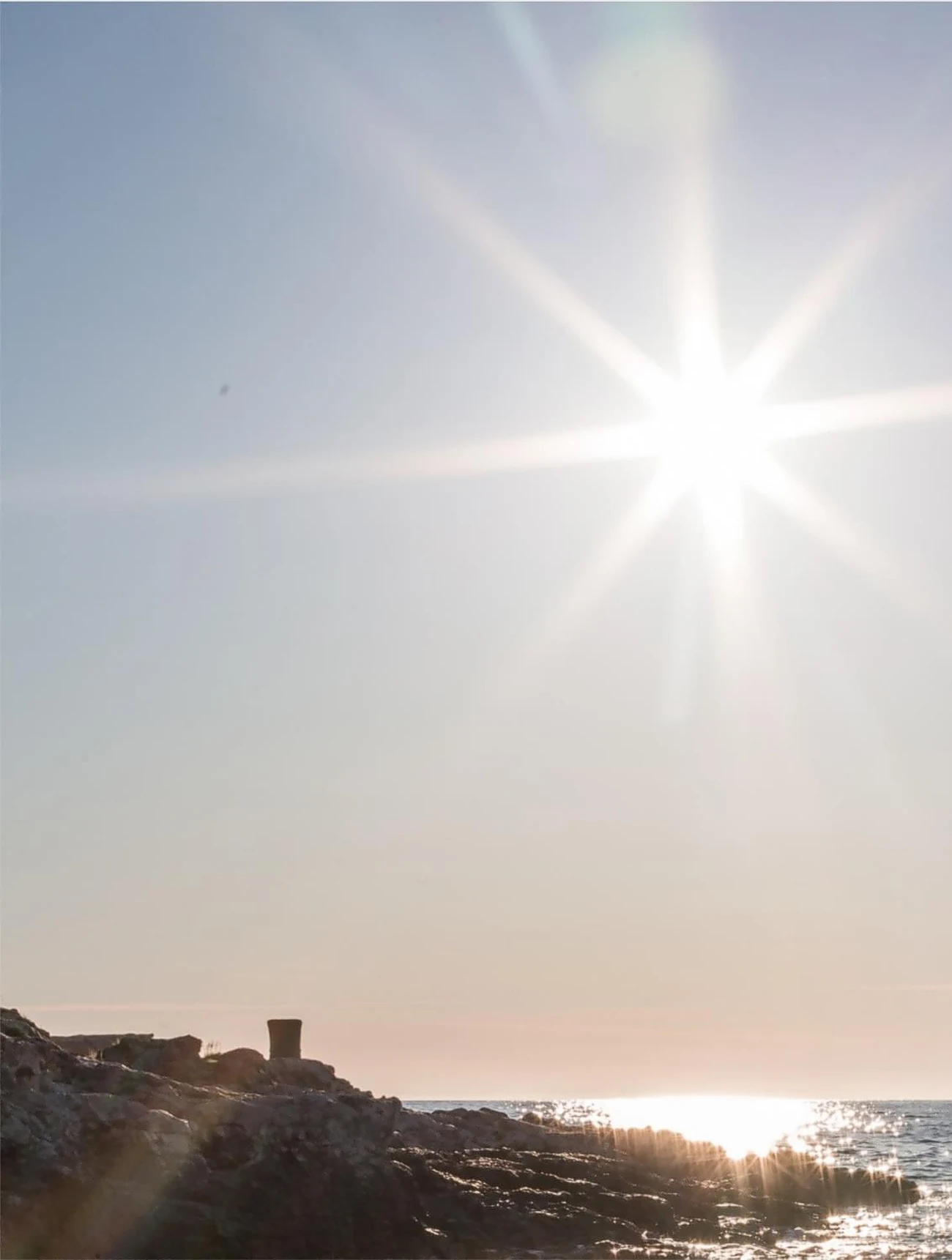
A luminous sphere, self-illuminating, lighting everything else.
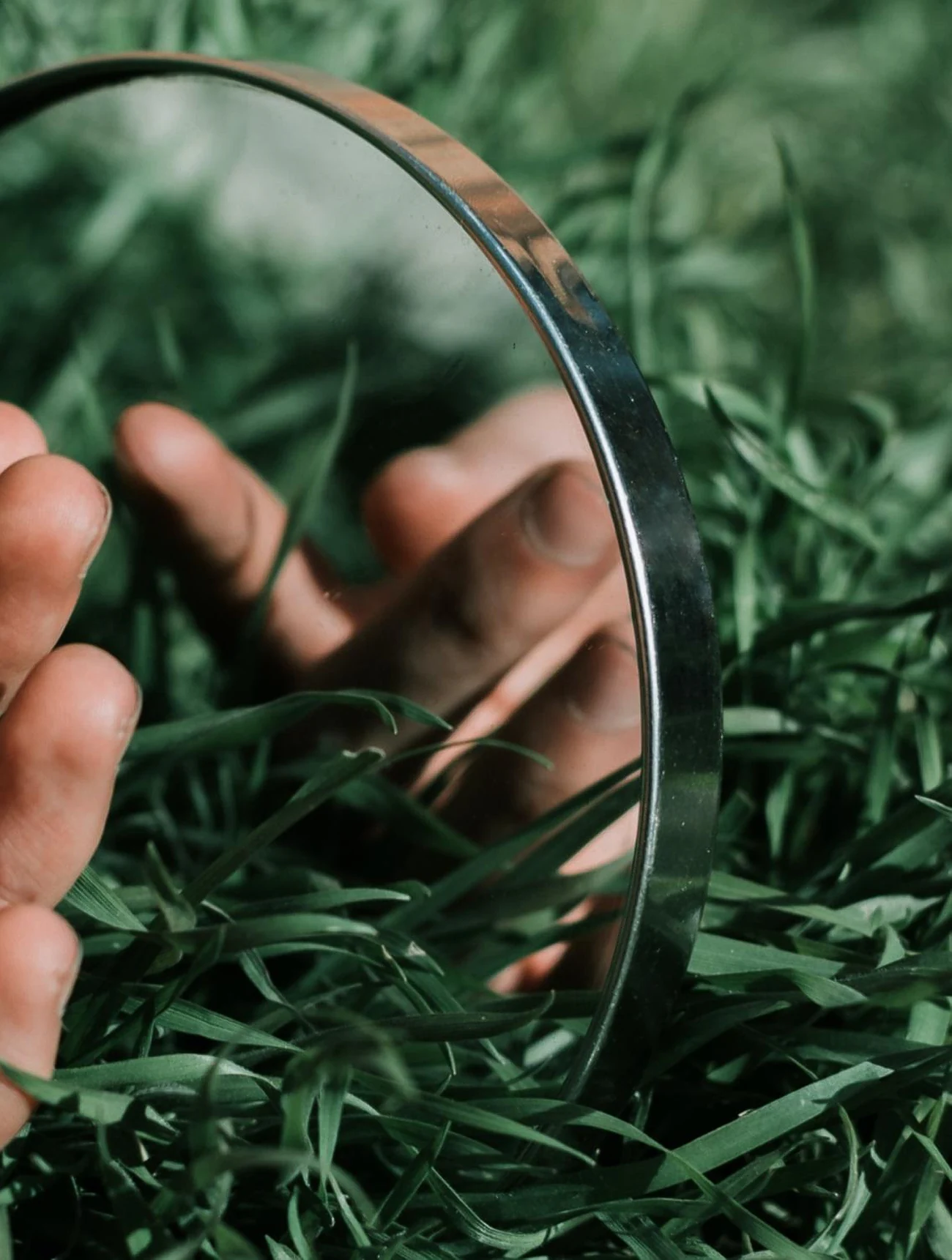
It reflects every object and is touched by none of them.
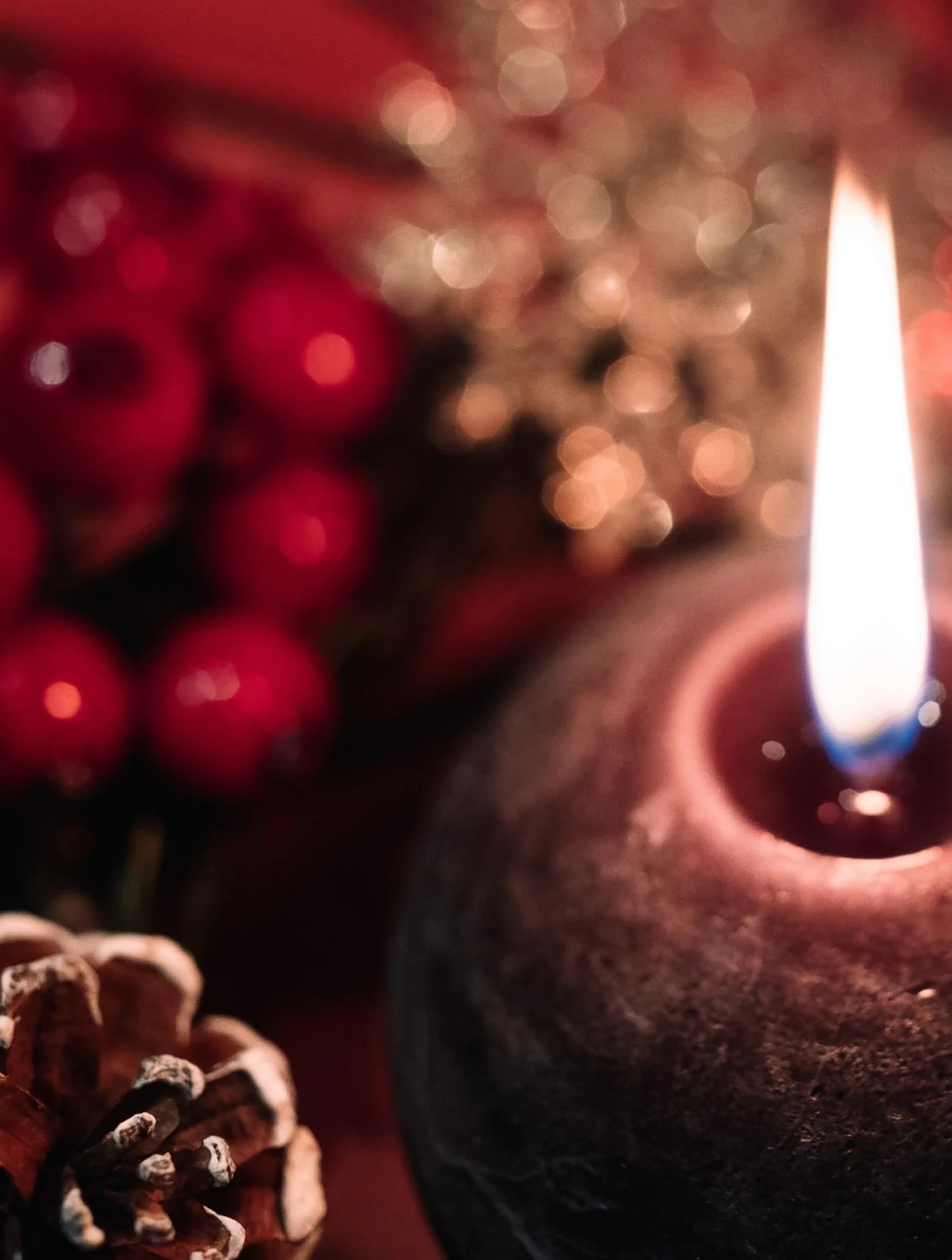
A steady flame, unchanging amid everything that passes.
“An eye can see everything except itself. To see the eye, we need a mirror.”Vedanta and the Upanishads are that mirror
“The circle whose circumference is everywhere and whose center is nowhere.”Attributed to Saint Bonaventure
The individual self was never separate from universal consciousness. The illusion of separateness dissolves.
Chandogya Upanishad. “You are it.” Not your body or mind: your Atman.
Brihadaranyaka Upanishad. The individual self is none other than the supreme reality.
Mandukya Upanishad. The inherent oneness of the self and the ultimate.
Aitareya Upanishad. The essence of individual existence is the ultimate reality.
Brahman’s creative power, the veil through which one reality appears as a world of many separate things.
Maya is not a negative force. It is the world of names and forms. Seeing through it is liberation.
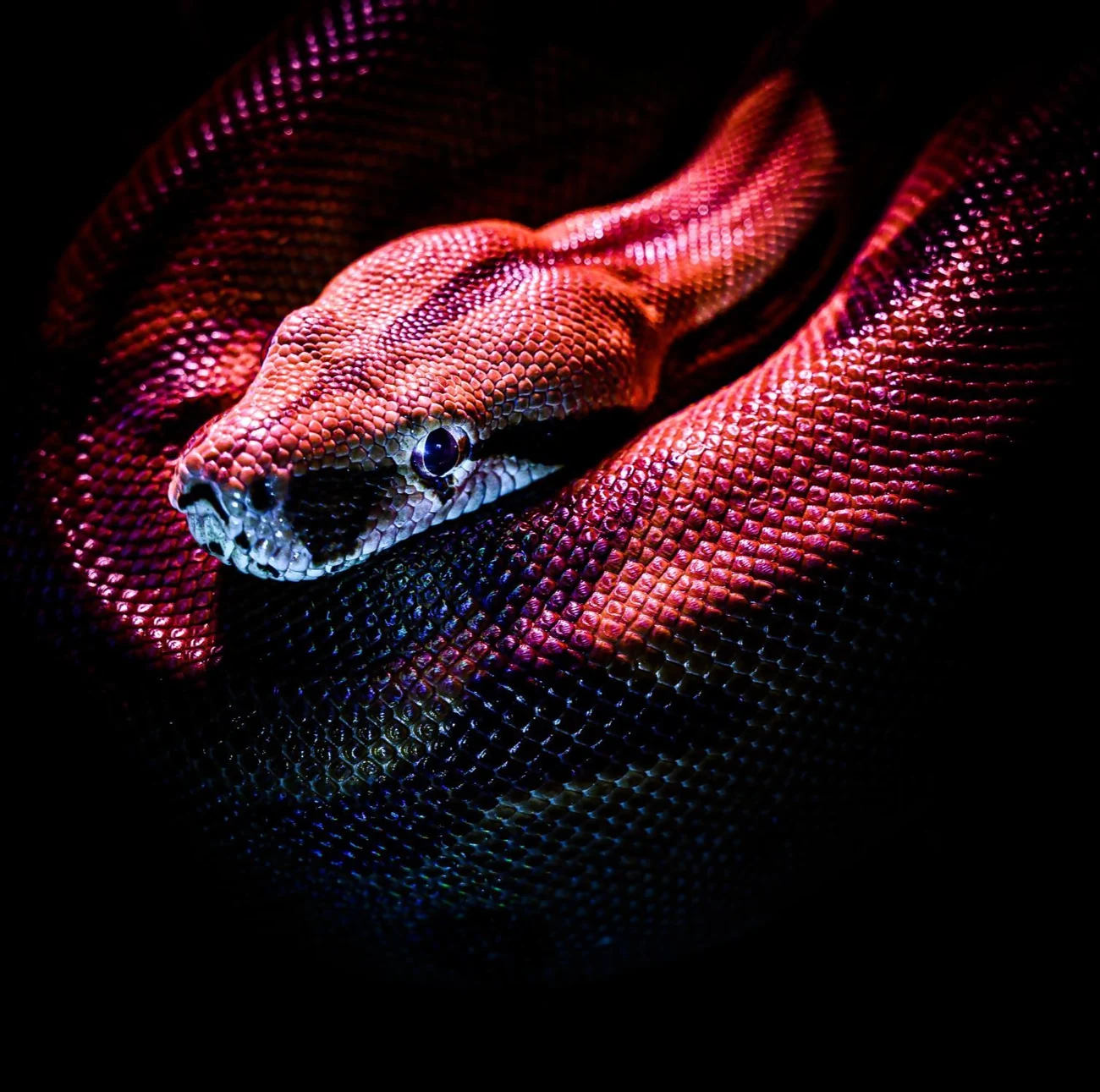
A man walking home at dusk sees a venomous snake on the path and cries out in fear. A passer-by brings a light and the snake turns out to be a coiled rope.
The rope was always a rope. At no point was it a snake.
In the desert, light and heat paint a lake that is not there. It shimmers and seems real. The world of separate things, says Advaita, is an appearance of this kind, veiling the one reality beneath it.
Press and hold · or hold the space bar
The world of names, forms and the senses.
The subtle realm of thought, desire and imagination.
Undifferentiated, dreamless, at rest.
The silence after the sound. Aware of the other three.
Deep sleep is not an absence of awareness. It is an awareness of absence.
The individual self, big or small, rising for a while.
The essence of every wave, still there after it breaks.
Water and ocean are one and the same.
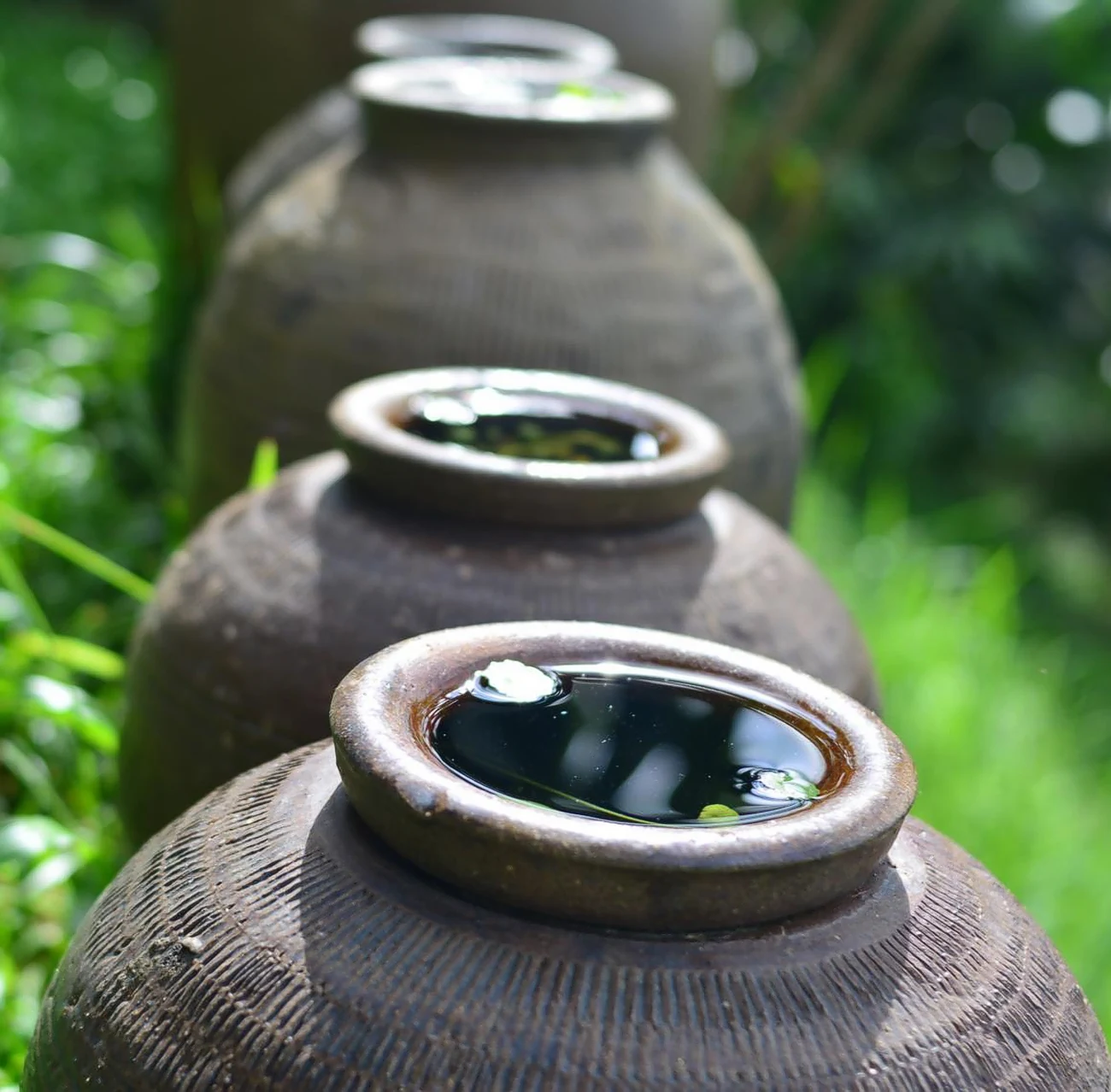
Each pot is a body and a mind. The sun’s reflection looks different in each one, rippled or still, clear or clouded. The light is the same light in all beings.
Six verses of negation. Body, mind and ego are set down one by one, until only what cannot be set down remains.
I am not mind, nor intellect, nor ego, nor the reflections of inner self. I am not the five senses. I am beyond that. I am not the ether, nor the earth, nor the fire, nor the wind.
Neither can I be termed as energy, nor the five types of breath, nor the seven material essences, nor the five coverings. Neither am I the instruments of motion, grasping, or speaking.
I have no hatred or dislike, nor liking, nor greed, nor delusion, nor pride, nor envy. I have no duty, nor any money, nor any desire, nor even liberation.
I have neither virtue nor vice. I have no happiness or sorrow, pain or pleasure. I am none of the triad: the one who experiences, the experiencing, or the thing experienced.
I do not have fear of death, as I do not have death. I have no father or mother, nor did I have a birth. I am not the friend, nor the guru, nor the disciple.
I am all pervasive. I am without any attributes, and without any form. I have no wishes for anything because I am everything, everywhere, every time, always in equilibrium.
I am indeed That: eternal knowing and bliss, Shiva, love and pure consciousness.
That which is, without beginning or end.
The light by which everything else is known.
Not an emotion. The harmony of the universe, the absolute perfection of reality exactly as it is.
Consciousness is not a static thing or a fixed state. It is an ongoing process of being aware and knowing, continuously present in every moment as it unfolds.

The rivers are the world’s religious and philosophical traditions, each a unique approach to the nature of reality. However different they look, they converge in the same ocean.